
Grounding Techniques for Anxiety: How to Calm Your Mind and Body
When anxiety takes over, it can feel as though your mind is racing faster than you can keep up. You may find yourself replaying conversations, imagining worst-case scenarios, or feeling disconnected from the present moment.
Grounding techniques are simple strategies that help bring your attention back to the here and now. While they won’t make anxiety disappear instantly, they can reduce emotional intensity and help your nervous system feel more regulated.
What Is Grounding?
Grounding refers to techniques that help reconnect you with the present moment using your senses, your body, or your surroundings. When we’re anxious, our attention often becomes focused on imagined future threats. Grounding interrupts that cycle by gently shifting attention to what is happening right now.
Grounding isn’t about ignoring your emotions. It’s about creating enough stability to experience them without becoming overwhelmed.
When Can Grounding Help?
Grounding techniques can be helpful if you notice:
- Racing thoughts
- Feeling overwhelmed
- Panic symptoms
- Excessive worry
- Difficulty concentrating
- Feeling disconnected or “checked out”
- Stress before an important event
- Physical symptoms of anxiety
Grounding Techniques You Can Try
1. Notice your surroundings. Look around and slowly identify five things you can see, four things you can touch, three things you can hear, two things you can smell, and one thing you can taste. This exercise gently redirects attention away from anxious thoughts and back to the present.
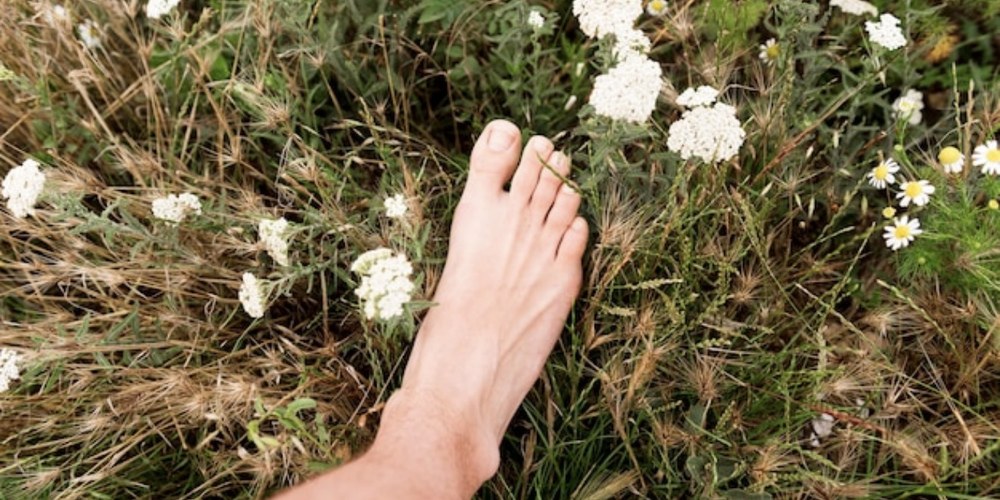
2. Feel your feet on the ground. Notice the weight of your body in the chair or the pressure of your feet against the floor. Can you feel the ground supporting you? What happens if you slowly press your feet into the floor? Simple physical awareness can help your nervous system feel more anchored.
3. Slow your exhale. When we’re anxious, our breathing often becomes fast and shallow. Try inhaling through your nose for four seconds and exhaling slowly for six to eight seconds. A longer exhale activates the parasympathetic nervous system, which helps the body return to a calmer state.
4. Name what you’re experiencing. Instead of saying “I’m falling apart,” try “I’m noticing that anxiety is showing up right now.” Naming emotions without judging them can reduce their intensity and create a little more space between you and the experience.
5. Hold something that engages your senses. Notice the texture, weight, or temperature of an object such as a smooth stone, a mug of warm tea, a soft blanket, or a stress ball. Paying close attention to physical sensations helps shift attention away from anxious thoughts.
6. Move your body. Gentle movement can help discharge some of the physical activation that accompanies anxiety—stretching, walking, shaking out your hands, rolling your shoulders, or a few slow yoga poses. Movement reminds your nervous system that it isn’t trapped.
Grounding Is a Skill, Not a Quick Fix
Grounding works best when practiced regularly—not only during moments of intense anxiety. Like any skill, it becomes easier with repetition. Over time, your brain learns to return to the present more quickly when anxiety arises.
Therapy Can Help You Understand Why Anxiety Keeps Returning
Grounding techniques can reduce the intensity of anxiety, but they don’t always address the underlying reasons anxiety developed. Therapy can help you understand the emotional patterns, attachment experiences, and life events that contribute to anxiety while teaching strategies to regulate your nervous system more effectively.
Rather than simply managing symptoms, therapy aims to help you feel safer within yourself and more confident navigating life’s challenges.
Learn more about therapy for anxiety, or book a free consultation to talk it through.
References
American Psychological Association. (2023). Clinical practice guideline for the treatment of anxiety disorders.
Craske, M. G., & Barlow, D. H. (2022). Mastery of Your Anxiety and Panic (5th ed.). Oxford University Press.
National Institute for Health and Care Excellence. (2020). Generalised anxiety disorder and panic disorder in adults: Management (CG113).